
If your dog or cat won’t stop scratching, you’re definitely not alone. In fact, skin allergies have been the #1 health issue for dogs for over a decade, with more than 410,500 insurance claims filed in 2023 alone – that’s a 10% increase from the previous year.
Skin condition prevalence in dogs ranges between 10-15%, but Singapore’s consistently warm, humid climate may push these numbers even higher. But understanding what causes these problems and how to treat them can save your pet weeks of discomfort and save you from sleepless nights listening to constant scratching.

Let’s talk about the usual suspects that make pets scratch, lick, and generally feel miserable.
This is probably the most frustrating skin condition for both pets and owners. Your pet develops allergies to something in their environment – could be their food, pollen floating around Singapore’s gardens, dust mites in your HDB flat, or even flea saliva from just a few bites.
Red, inflamed skin that itches like crazy. Your pet scratches constantly, which makes the irritation worse, which makes them scratch more. It’s a vicious cycle!
About 10% of all canine allergies are attributed to food, while environmental allergies account for the majority of cases. Food allergies often show up as ear infections and paw licking, while environmental allergies typically cause face rubbing and belly scratching.
Read more: Allergies: Atopic Dermatitis in Dogs and Cats – Veterinary Partner
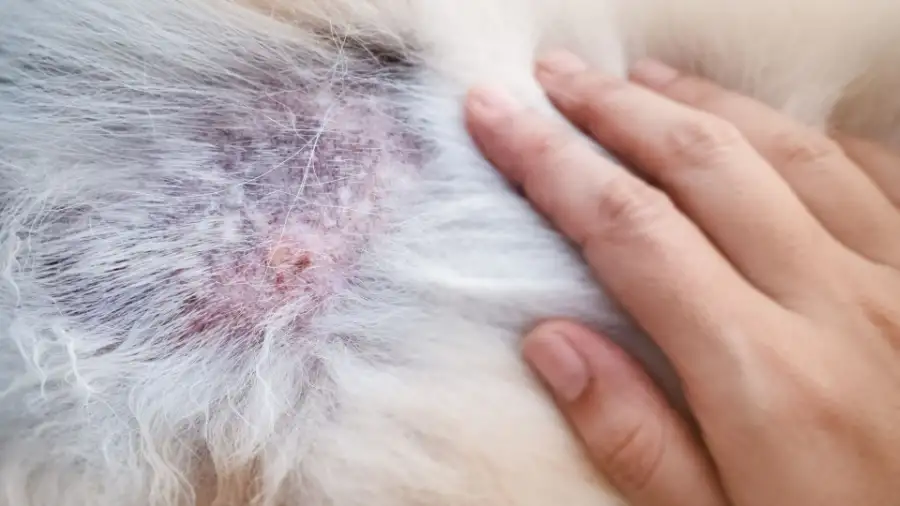
Hot spots are every pet owner’s nightmare. These angry, red, weeping patches of skin appear almost overnight and spread rapidly if left untreated.
They start when your pet scratches or licks an area obsessively – maybe because of an insect bite, a small wound, or just because they’re stressed. The constant moisture from licking creates perfect conditions for bacteria to multiply, turning a small irritation into a painful, infected mess.
Hot spots are particularly common in Singapore because our humid climate means the affected area stays moist longer, allowing bacteria to thrive. The combination of year-round warmth and humidity creates ideal conditions for rapid bacterial multiplication.
Read more: Everything you need to know about hot spots
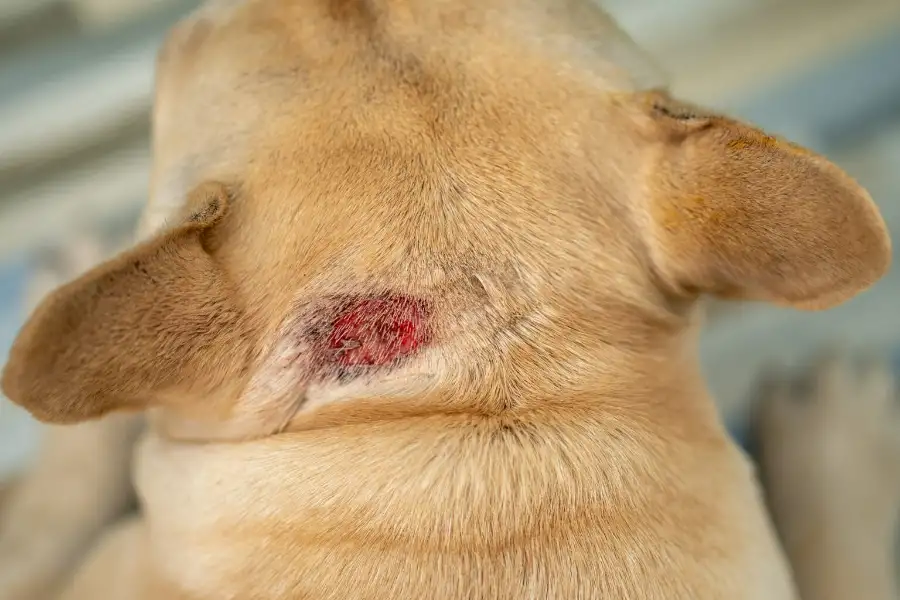
Mange is caused by tiny mites that burrow into your pet’s skin or hair follicles. There are different types, but they all cause intense itching, hair loss, and crusty, scaly patches.
Sarcoptic mange (scabies) is highly contagious and can spread to humans. Demodectic mange usually affects young pets or those with weakened immune systems. The constant scratching from mange can lead to secondary bacterial infections, making the problem even worse.
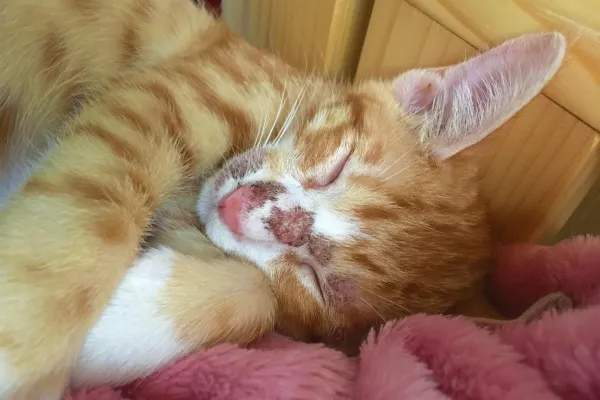
Despite its name, ringworm isn’t actually a worm – it’s a fungal infection that causes circular patches of hair loss with flaky, scaly skin.
Other fungal infections thrive in Singapore’s warm, humid environment. Yeast infections are particularly common in pets with allergies or those who love swimming at dog beaches like East Coast Park. These infections often have a distinctive musty or “cheesy” smell that many pet owners notice before seeing the skin changes.
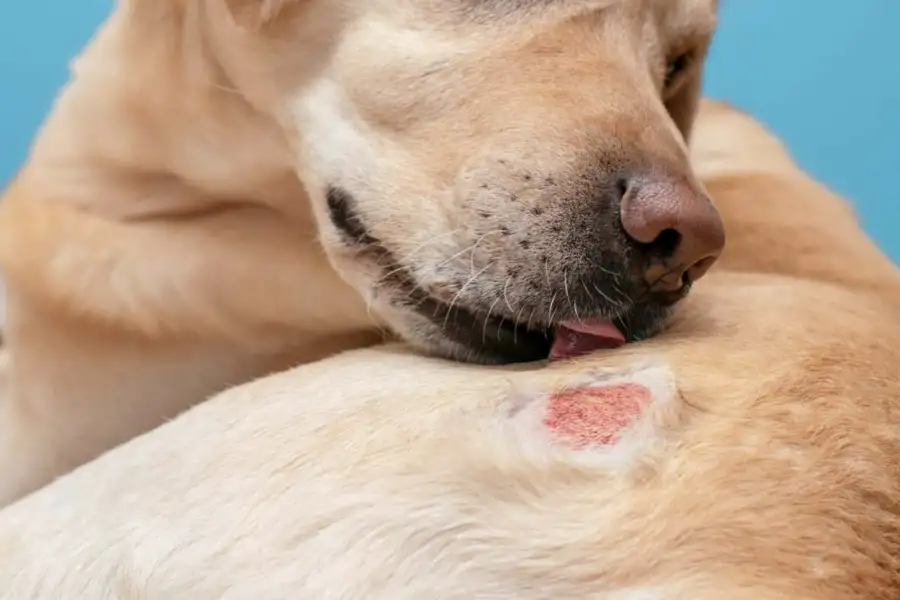
While technically not a skin condition, ear infections are closely related to skin allergies and deserve mention here. Otitis externa (outer ear infections) affects over 10% of dogs and often occurs alongside skin allergies, making the overall discomfort significantly worse for affected pets.
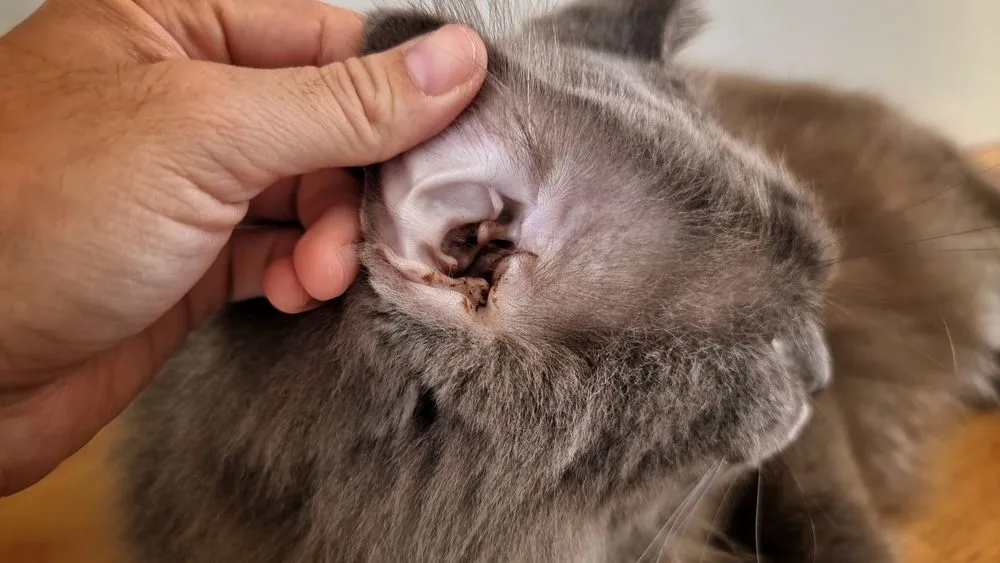
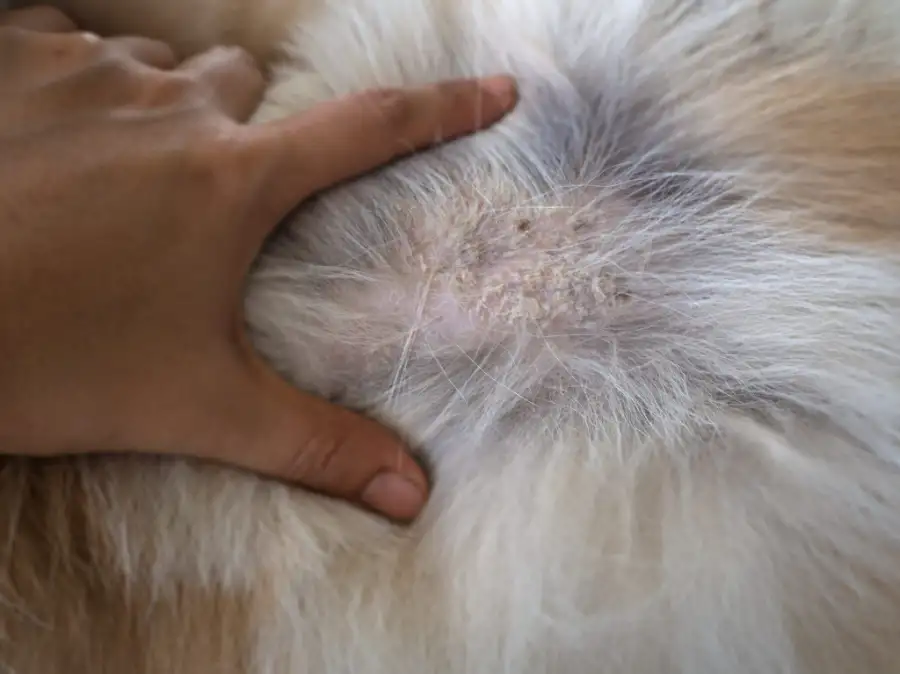
This condition makes your pet’s skin either excessively oily or extremely dry and flaky. The oily type creates a greasy feel and often comes with a strong, unpleasant odor that regular baths don’t seem to help.
Seborrhea can be primary (genetic) or secondary to other conditions like allergies or hormonal imbalances. Either way, it makes pets uncomfortable and can be socially awkward for owners.
Medicated shampoos contain specific ingredients that kill bacteria, eliminate fungi, reduce inflammation, or remove excess oils and scales.
🔍 For example, chlorhexidine shampoos are antibacterial and antifungal. Benzoyl peroxide shampoos penetrate deep into hair follicles to clear out debris and bacteria. Ketoconazole shampoos specifically target fungal infections.
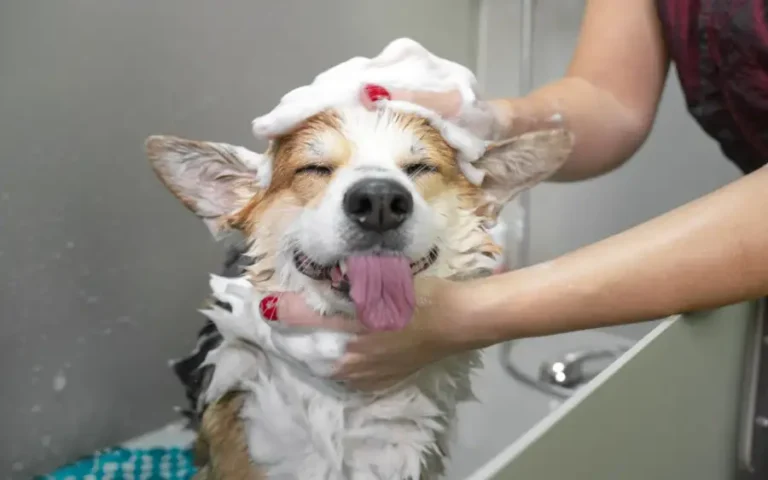
The key is using the right shampoo for your pet’s specific condition and following the contact time instructions – most need to sit on the skin for 5-10 minutes to work properly. In Singapore’s climate, this treatment approach proves particularly effective due to the high humidity that helps active ingredients penetrate the skin.
Localized hot spots or small infected areas often respond well to topical treatments applied directly to the problem area.
Antibiotic ointments treat bacterial infections. Antifungal creams eliminate yeast and fungal problems. Anti-inflammatory preparations reduce itching and redness while the underlying condition heals.
💡Pro tip: The challenge with topical treatments is keeping pets from licking them off.
When skin infections are widespread or deep, topical treatments alone won’t cut it. Oral antibiotics can eliminate bacterial infections throughout the body, while systemic antifungals treat stubborn fungal conditions.
These medications typically need to be given for several weeks, and it’s crucial to complete the full course even if the skin looks better. Stopping too early often leads to resistant infections that are much harder to treat.
For severe allergic reactions and intense inflammation, steroids can provide dramatic relief. They reduce inflammation, decrease itching, and give the skin a chance to heal.
However, steroids aren’t a long-term solution. They suppress the immune system and can cause side effects with prolonged use. We use them strategically to break the itch-scratch cycle while addressing underlying causes.
Read more: Steroid Use in Dogs and Cats – Veterinary Partner – VIN
Many skin problems start with or are complicated by fleas, ticks, or mites. Modern parasite preventatives are incredibly effective and often eliminate the root cause of skin irritation.
In Singapore’s year-round warm climate, consistent parasite prevention is essential. Even indoor pets can be exposed to parasites that hitchhike on clothing or other animals.
Some skin conditions require advanced diagnostics like skin scrapings, fungal cultures, or allergy testing. Complex cases might need specialized treatments like immunotherapy or prescription diets.
At Vets for Life, we have the equipment and expertise to diagnose challenging skin conditions accurately, which is crucial for effective treatment.
Prevention is always easier and less expensive than treatment, especially for chronic conditions that tend to recur.
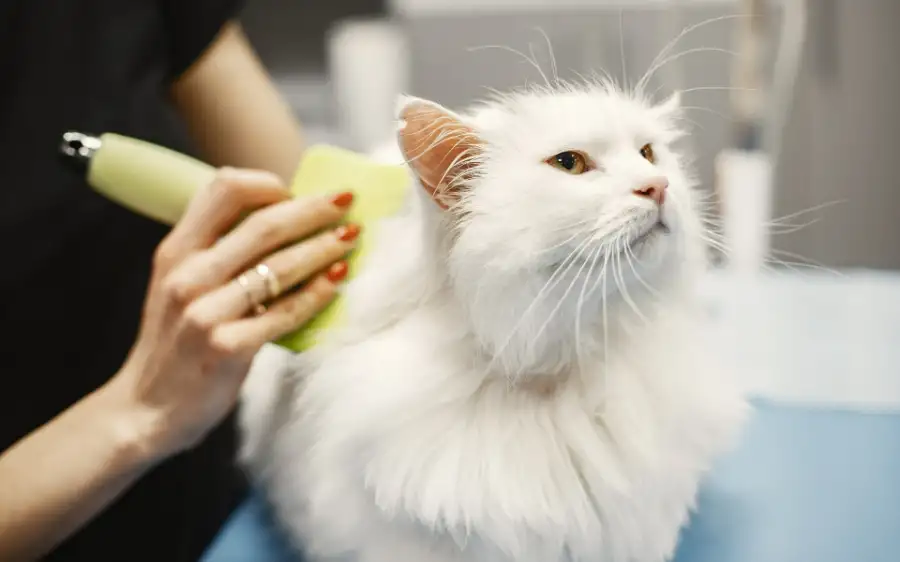
Consistent grooming prevents matted hair that traps moisture and bacteria against the skin. It also allows early detection of small problems before they become major issues.
In Singapore’s humid climate, pets may need more frequent baths than in temperate regions. However, over-bathing can strip natural oils and cause dry, irritated skin. The key is finding the right balance for your individual pet’s coat type and lifestyle.
Your pet’s diet directly affects their skin and coat health. High-quality proteins provide building blocks for healthy skin cells, while omega-3 fatty acids reduce inflammation and promote healing.
Some pets benefit from specialized diets designed to support skin health or eliminate common allergens. These prescription diets can be expensive but often prove more economical than treating chronic skin conditions.
Controlling your pet’s environment can prevent many allergic reactions. This might mean using hypoallergenic bedding, air purifiers to reduce airborne allergens, or avoiding certain plants in your garden.
For pets with confirmed food allergies, strict dietary management prevents flare-ups.
Year-round flea and tick prevention is essential in Singapore’s climate. Modern spot-on treatments, oral medications, or flea collars provide reliable protection with minimal effort.
Even indoor pets need protection since parasites can be carried in on clothing, other pets, or through open windows.
Early detection and treatment of skin conditions prevents minor issues from becoming major problems. Annual wellness exams include skin and coat evaluation as part of comprehensive health assessment.
For pets with chronic skin conditions, more frequent monitoring helps adjust treatments as needed and catch flare-ups early.
Some skin conditions require urgent veterinary attention to prevent serious complications.
Hot spots that appear suddenly and spread rapidly need immediate treatment. Extensive hair loss, especially if accompanied by lethargy or appetite changes, may indicate serious underlying conditions.
Skin conditions that affect eating, drinking, or normal behavior require urgent evaluation. Pets who stop eating due to oral lesions or become lethargic from systemic infections need immediate care.
If you’ve been treating a skin condition at home for more than a few days without improvement, professional diagnosis is needed. Many conditions look similar but require different treatments.
Pets who scratch constantly despite treatment may need stronger medications or different approaches. Chronic scratching can cause permanent skin damage and secondary infections.
Bacterial infections secondary to scratching or licking can become serious quickly in Singapore’s warm, humid environment. Signs include increasing redness, swelling, discharge, or foul odors.
Pets who develop multiple hot spots or widespread skin infections may have underlying conditions like allergies or immune system problems that need professional management.
Most importantly, remember that chronic itching and scratching significantly impact your pet’s quality of life. They deserve to feel comfortable in their own skin, and with proper treatment, most pets can achieve that comfort.
Skin conditions are among the most common concerns we address in veterinary practice, and you are not alone in dealing with these issues. The combination of Singapore’s excellent veterinary care infrastructure and your commitment to your pet’s health creates the foundation for successful skin condition management.
Contact Vets for Life today to schedule a consultation for your pet’s skin condition. Our experienced team understands the unique challenges of maintaining healthy skin in Singapore’s tropical climate and will work with you to develop an effective treatment plan.