
Want to give your furry friend the best life possible? It all starts with what’s in their food bowl! Cats need the right mix of macro and micronutrients to stay happy and healthy. Without proper nutrition, they can face serious health problems that could have been easily avoided.
Here at Vets for Life Animal Clinic, we’ve seen how proper nutrition can transform cats’ lives. From preventing heart problems to keeping senior cats playful, good food is the secret ingredient to a long, happy life.
In this article, we’ll share key recommendations that have proven effective through years of caring for Singapore’s beloved pets.
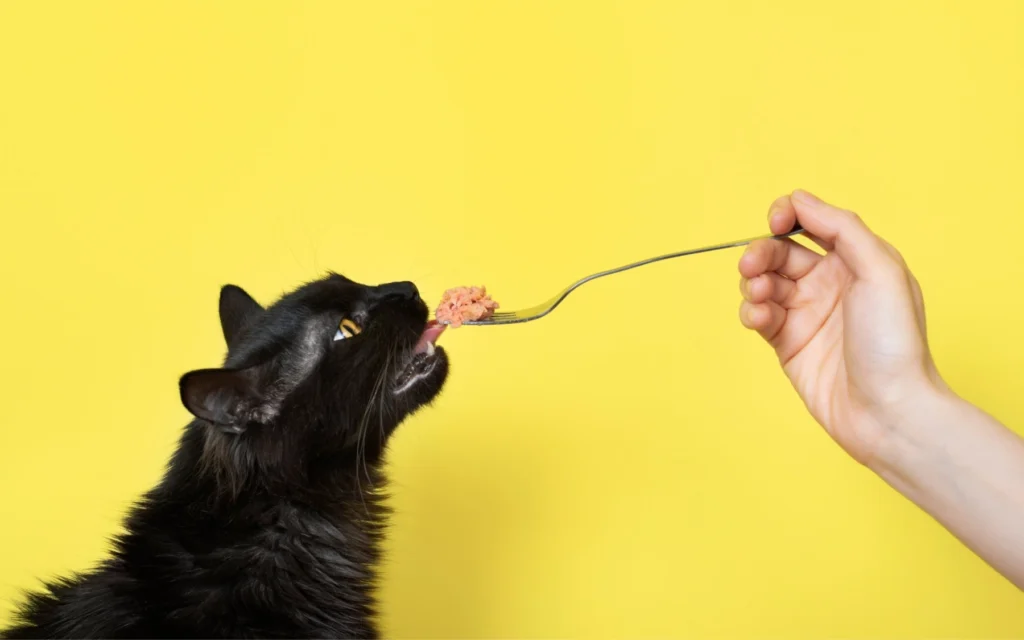
Cats are special creatures that we call “obligate carnivores”, which means they’re built to eat meat and have unique nutritional requirements compared to dogs and humans. Their bodies have evolved to extract specific nutrients from prey, making a proper diet very important for preventing serious health complications.
For example, let’s take a look at taurine deficiency. Taurine is considered an essential amino acid in cats, requiring relatively large amounts in their diet. Without adequate taurine, cats can develop fatal cardiomyopathy (heart disease).
Similarly, inadequate protein levels, improper mineral ratios, or excessive carbs can create health problems that impact your cat’s quality of life for years.
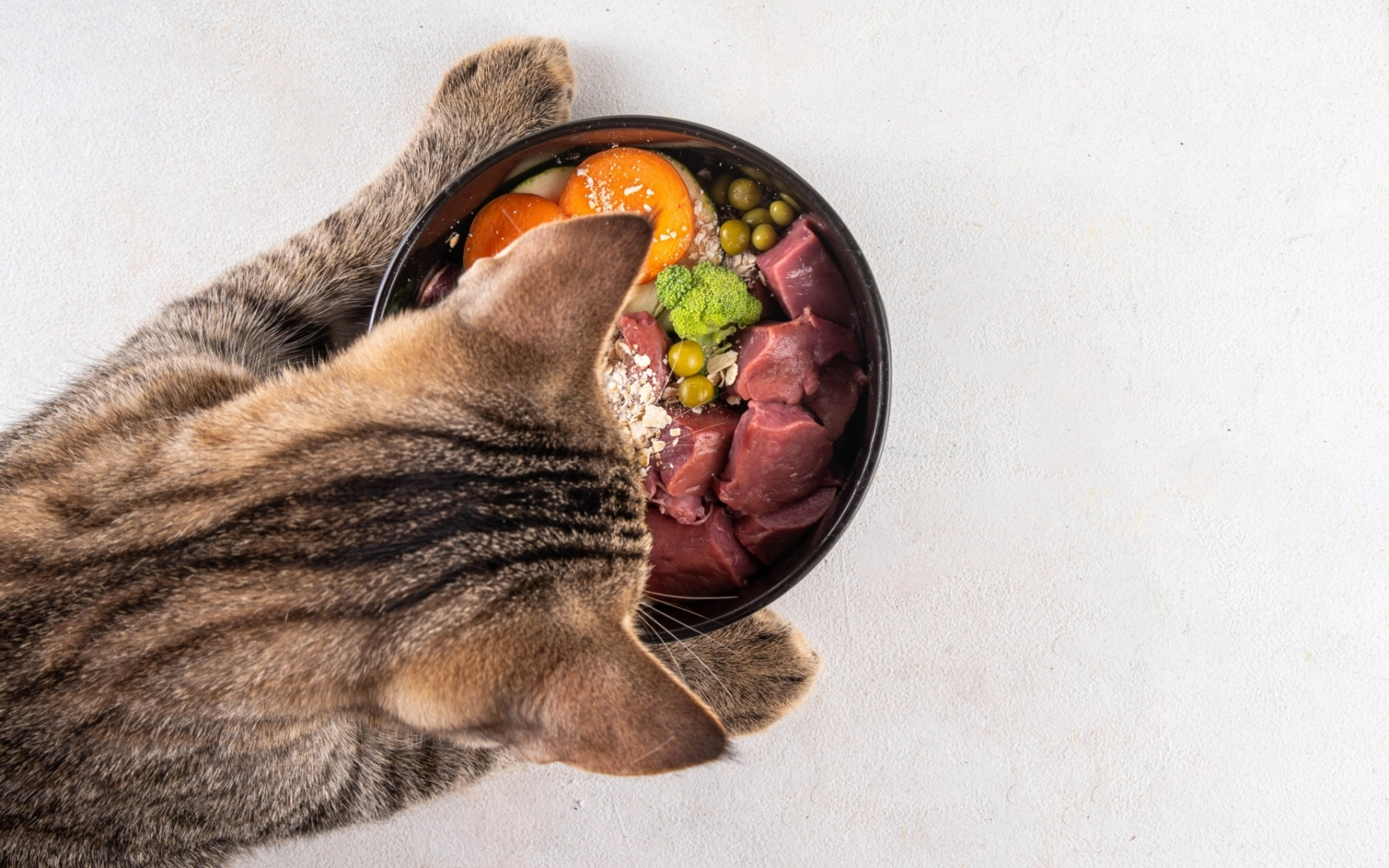
Cats are often fussy by nature. You may think you’ve found the perfect diet for them, but they will refuse to eat it. This is because cats are naturally cautious about new foods, but there are a few tricks we can try to win them over.
Week 1:
Week 2:
Through this slow but steady method, your cat has time to get used to the changes in flavour and texture.
Many cats love rich and fatty foods because they taste absolutely delicious. Unfortunately, these diets often contain excessive fat content that leads to rapid weight gain and long-term health complications like:
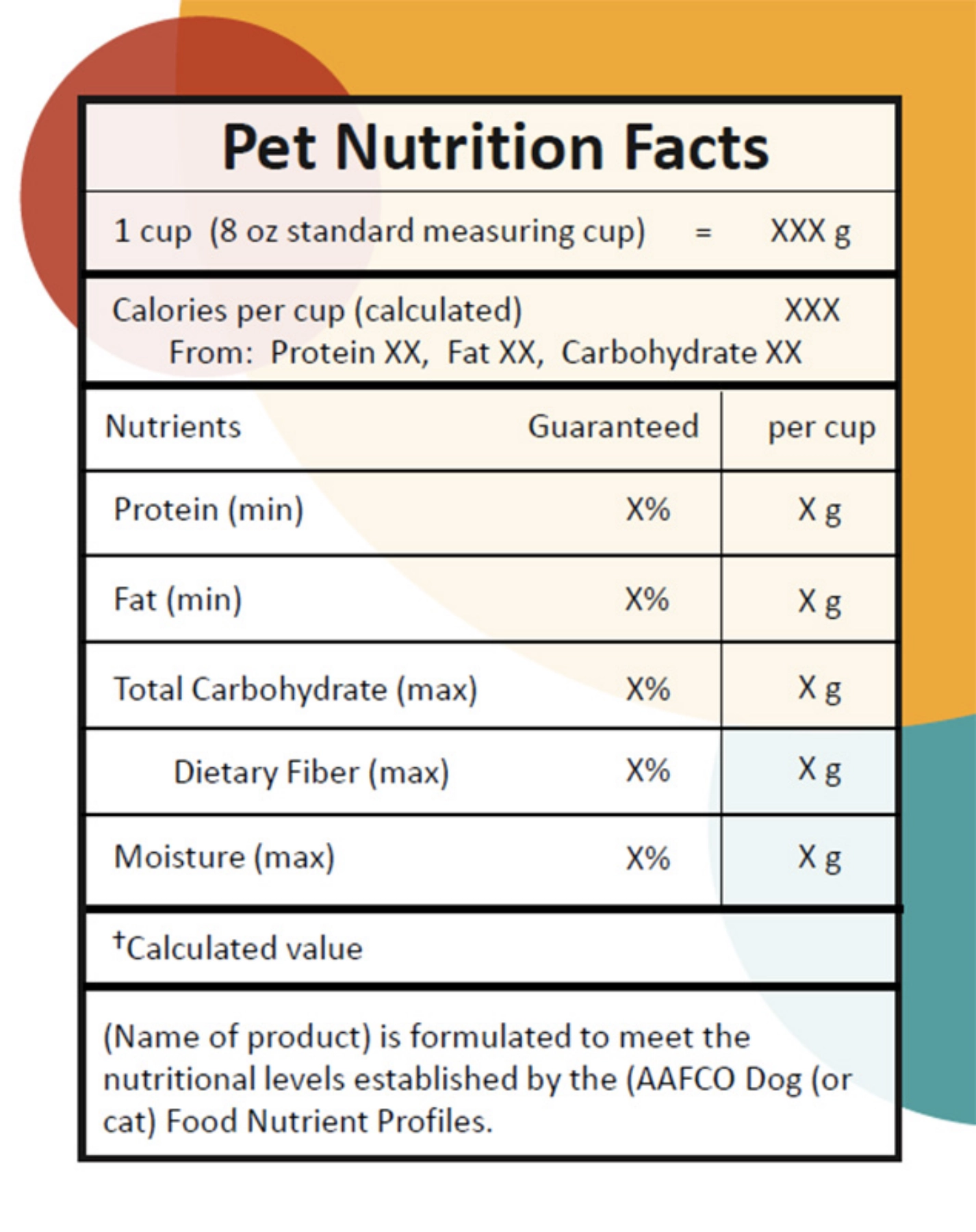
Understanding pet food labels allows you to make informed decisions about your cat’s nutrition. Here’s what to look for:
Looking at the back of a food packet can be confusing. If you’re uncertain about food quality, portion sizes, or dietary transitions (especially for cats with specific health conditions), don’t hesitate to contact us at Vets for Life for a consultation!
Cats have different energy requirements throughout their lifespans. Generally speaking, the main life stages are kitten, adult, and senior. So while you may find the ideal brand of food to feed them early on, their diet will need to change as they age.
If they have a medical disease, their requirements may change again, and your veterinarian may prescribe a specialised diet. For example, if your cat has kidney disease, a low-protein diet is recommended.
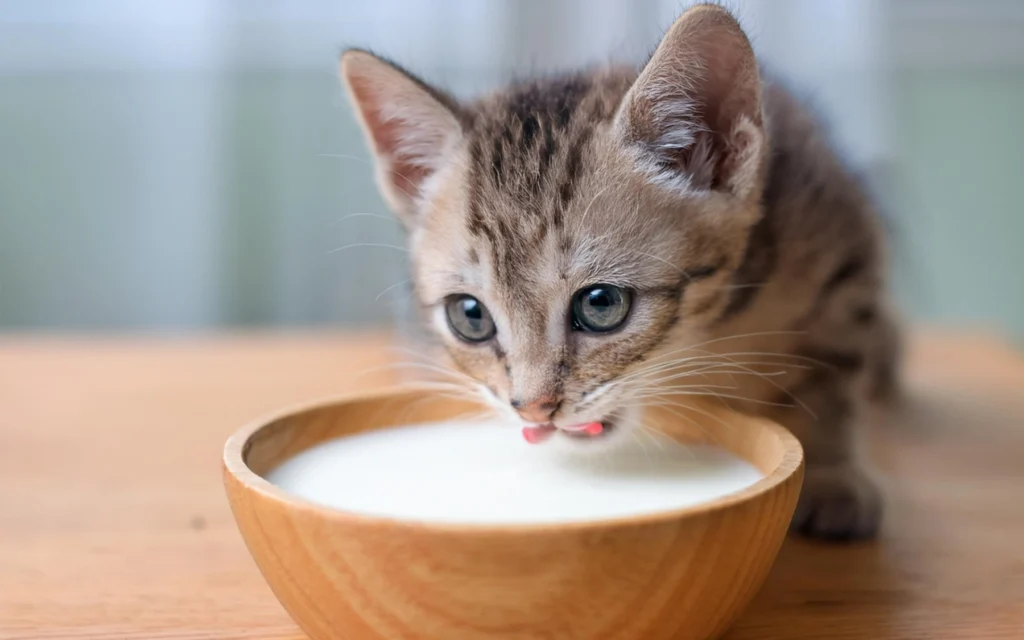
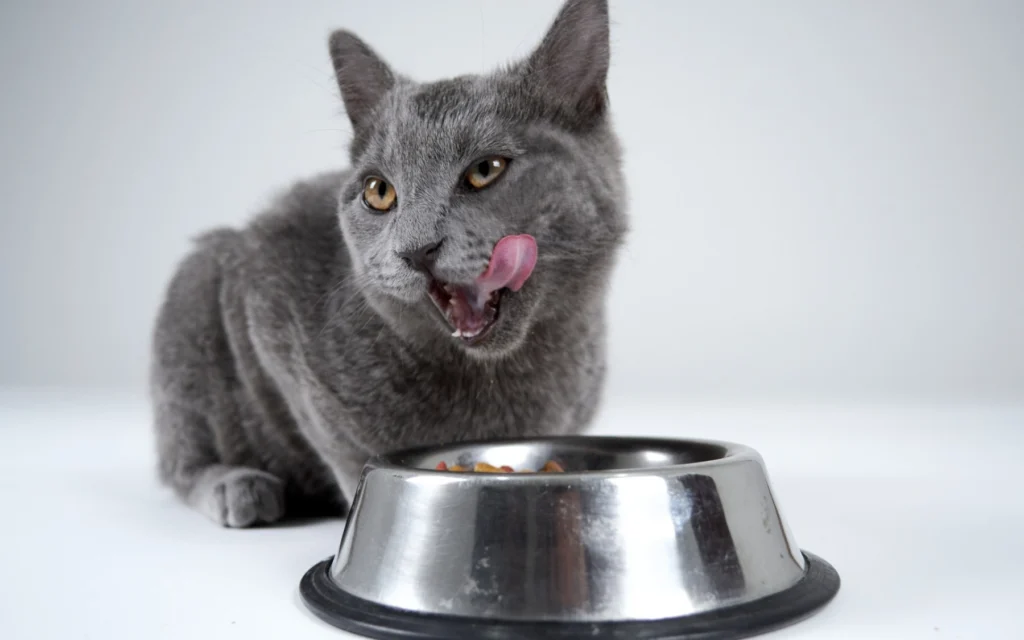
Kitten Nutrition (0-12 months)
Kittens require calorie-dense, protein-rich diets to support their growth rate. During their first year, kittens can triple their body weight while developing crucial organ systems, bones, and muscles.
Key kitten nutrition requires:
Adult Cat Nutrition (1-7 years)
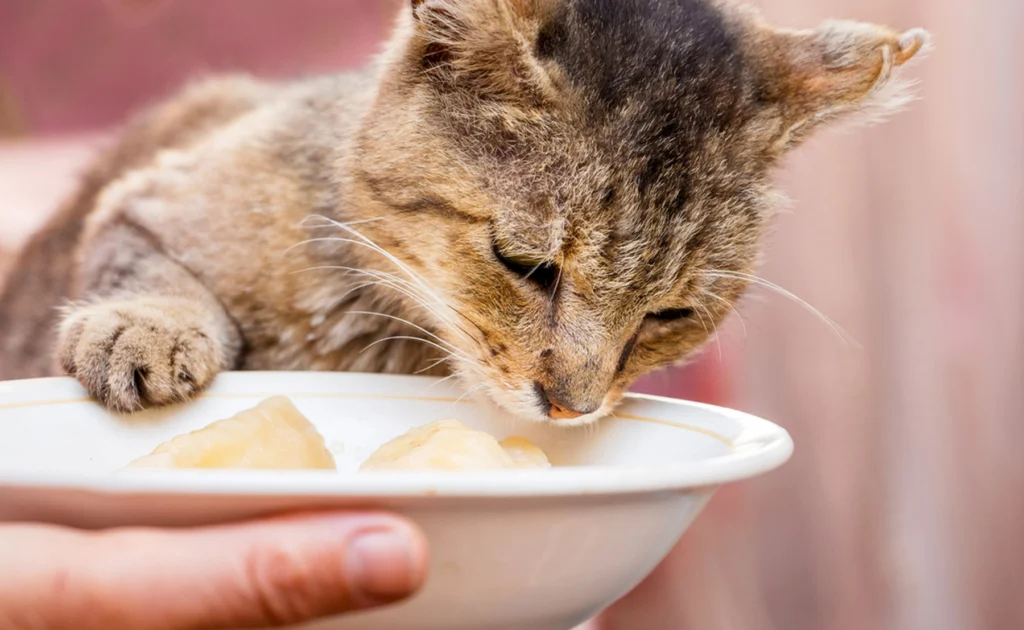
Adult cats need balanced maintenance diets that provide steady energy without weight gain. This life stage focuses on maintaining lean body mass, supporting immune function, and preventing obesity.
Adult cat nutrition priorities:
Senior Cat Nutrition (8+ years)
Cats over eight years old are considered seniors and often benefit from specialized diets addressing age-related changes in metabolism, organ function, and mobility.
Senior cat diets should include:
How you feed your cat matters just as much as what you feed them. Environmental factors significantly impact your cat’s eating behavior, stress levels, and overall nutrition intake.
Whisker Sensitivity
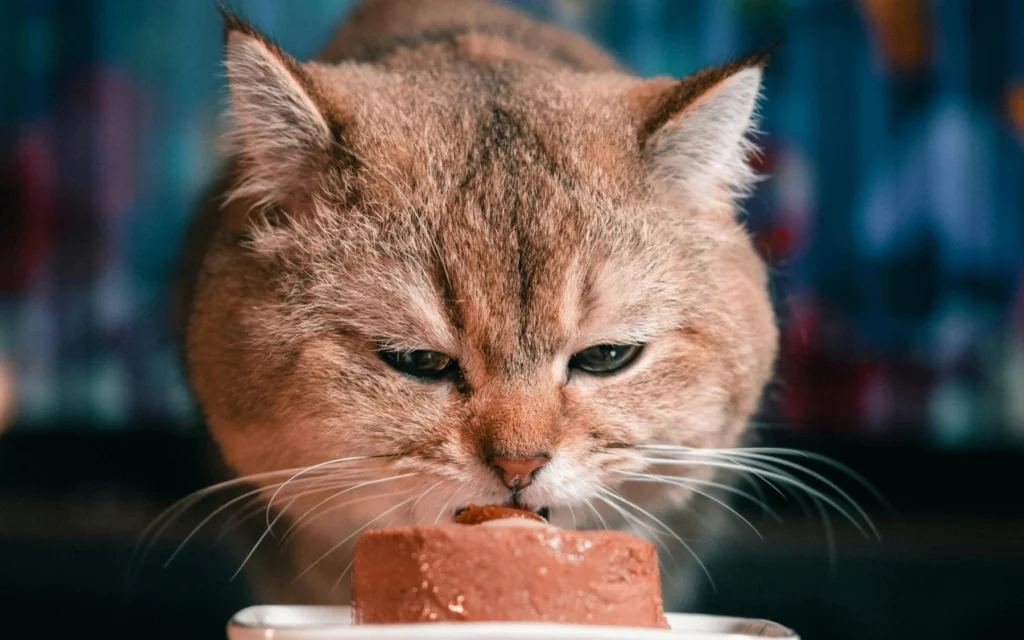
Many cats experience discomfort when their sensitive whiskers repeatedly touch the sides of deep food bowls. This phenomenon called “whisker fatigue” can reduce the amount of food your cat consumes at each meal.
Solutions for whisker comfort:
Feeding location
The placement of your cat’s food station dramatically affects their eating comfort and stress levels. Cats are naturally cautious eaters who prefer quiet, secure locations for meals.
Ideal feeding environment:
Water-Food Separation
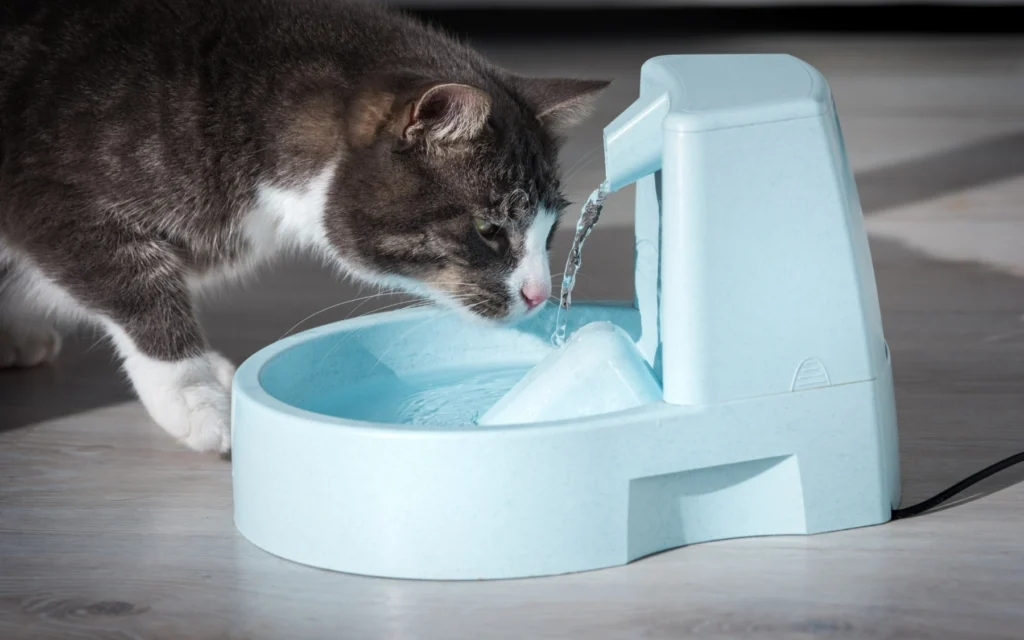
Cats instinctively prefer to keep their eating, drinking, and bathroom areas separate. This natural behavior stems from their wild ancestors’ survival strategies to avoid contaminating food and water sources.
Optimal water placement:
Multi-Cat Feeding
Managing nutrition in multi-cat households presents unique challenges, especially when cats require different diets or have varying eating speeds.
An option could be investing in a microchip feeder, which recognizes individual cats’ unique microchips and provides access only to that specific cat’s food. Benefits include:
Proper cat nutrition is more than simply filling a food bowl. It requires understanding your cat’s unique biological needs, supportive feeding environments, and adapting diets throughout their lifespan.
By using this guide, you can provide your cat companion the foundation for a longer and healthier life. Remember that every cat is unique, and what works perfectly for one may require adjustment for another.
Ready to Optimize Your Cat’s Nutrition? Contact Vets for Life today to schedule a nutritional consultation. Our experienced veterinary team will assess your cat’s individual needs and develop a customized nutrition plan to support their health throughout their life.